Your startup fundraising PR strategy is often the difference between getting a meeting with investors and being ignored.
That is the hard truth most founders learn too late. In 2023, Sabi, an African-based B2B ecommerce startup, faced exactly that problem.
The company had a strong business model and growing user numbers. But without media coverage, international investors did not know who they were.
Sabi partnered with 9-Figure Media, a Laguna Beach-based strategic public relations agency, to fix that gap.
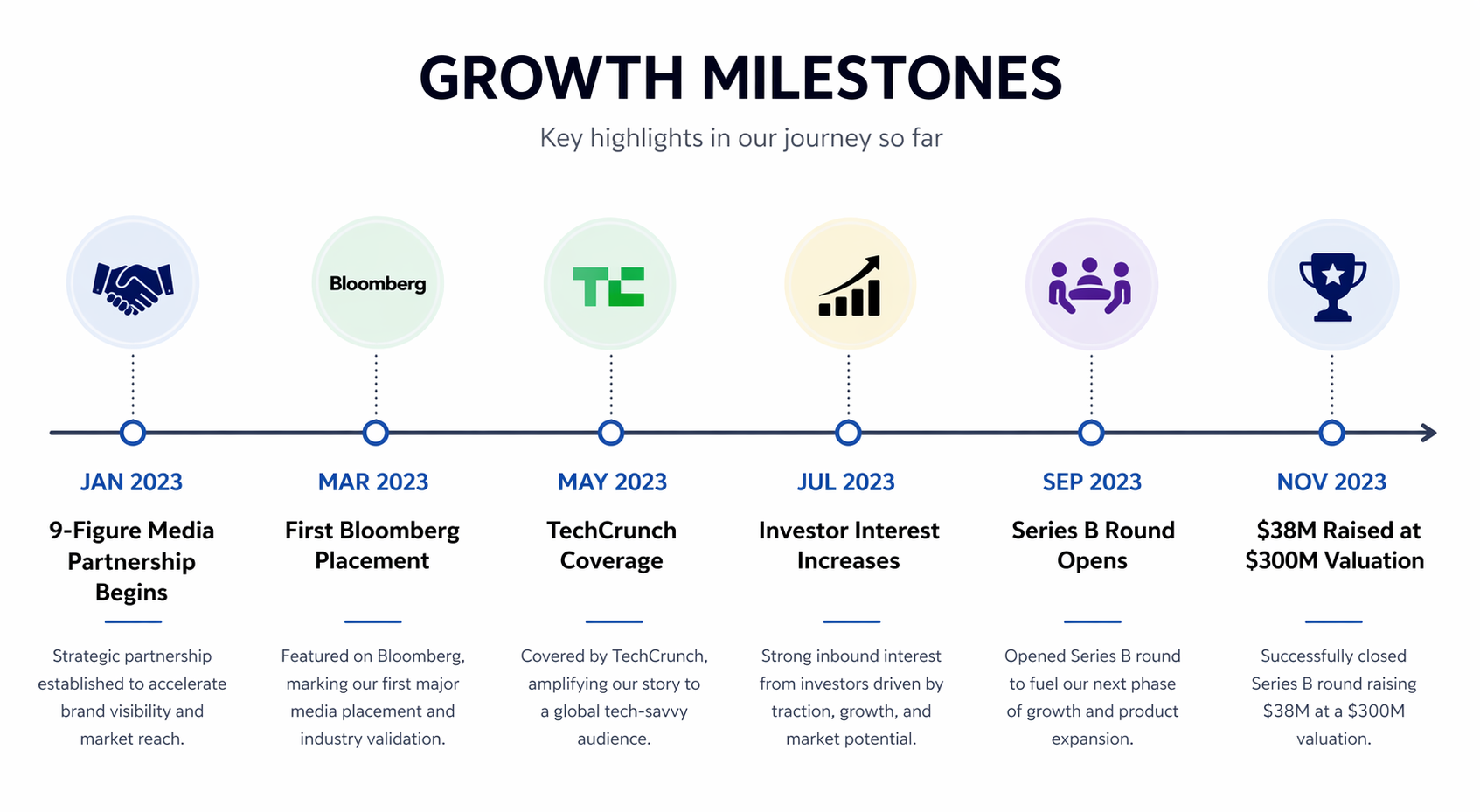
The results were striking. Sabi doubled its fundraising success and eventually raised $38 million in a Series B round at a $300 million valuation, according to TechCrunch.
This case study is for you if you are a founder trying to understand how startup fundraising PR works. Not the theory. The real actions, the real placements, and the real outcomes.
We pull from Sabi’s publicly documented experience and 9-Figure Media’s own published case study to give you an honest look at what happened and what you can learn from it.
Your startup fundraising PR strategy is often the difference between getting a meeting with investors and being ignored.

Sabi and the Startup Fundraising PR Challenge in Africa
Before you can understand why startup fundraising PR mattered for Sabi, you need to understand the environment the company was operating in.
The African startup ecosystem was under serious pressure. According to BusinessDay NG, venture capital inflows into African startups dropped by 87% as of August 2024.
That figure alone tells you how competitive and difficult the funding environment has become.
Sabi was not a weak company. Its platform connected informal retailers across Nigeria, Kenya, and South Africa with suppliers through a streamlined digital infrastructure.
The company had over 175,000 merchants on its network by late 2021, according to co-founders Anu Adesola and Ademola Adesina in an interview with TechCrunch.
It was also recording a $200 million annualized gross merchandise value run rate at the time.
However, despite those numbers, Sabi struggled to build the kind of media presence that international investors expected to see before committing capital.
That is a common problem for African startups. The business works and the numbers are real. But if major global media outlets have not covered the company, investors often view it as a credibility gap.
The Strategic Public Relations Problem Sabi Had to Solve
According to 9-Figure Media’s published case study on the Sabi partnership, the startup faced three specific startup fundraising PR challenges:
- Limited media visibility: Sabi had not yet captured the attention of top-tier global media despite strong growth in operational metrics.
- Investor confidence gap: Without prominent media coverage, potential investors lacked the third-party validation they needed to justify committing capital.
- Crowded market differentiation: The Nigerian and broader African tech space had many startups competing for the same small pool of international investment dollars.
Furthermore, the informal trade sector Sabi was serving, which makes up most of Africa’s $1 trillion retail market, was unfamiliar territory for many international investors.
They needed a clear, credible narrative to understand why Sabi was different, why the opportunity was real, and why the timing was right.
Consequently, strategic public relations became the most direct path to solving all three problems at once.
Earned media coverage in respected publications would build credibility, differentiate Sabi from competitors, and give investors the third-party validation they needed to move forward.
How 9-Figure Media Built the Startup Fundraising PR Strategy
9-Figure Media is a strategic public relations agency founded in 2014 in Laguna Beach, California.
The firm specializes in helping startups and growing businesses secure guaranteed media placements in major publications, including Forbes, Bloomberg, Business Insider, TechCrunch, and Entrepreneur.
According to its Clutch.co profile, the agency charges a minimum project size of $1,000 and an average hourly rate of $300.
For Sabi, the agency built a three-part startup fundraising PR approach centered on narrative crafting, media placement, and executive thought leadership.
Each element targeted a specific part of the investor credibility problem the company faced.
Part 1: Crafting a Powerful Fundraising Narrative
The first step in any effective strategic public relations campaign for fundraising is building a story that investors can connect with.
For Sabi, 9-Figure Media centered the narrative on the company’s mission to empower informal traders across Africa.
The informal sector in Africa is not a niche market. It represents most of the economic activity across most African countries.
By framing Sabi as a scalable infrastructure layer for this enormous, underserved market, the agency gave investors a concrete reason to pay attention.
The narrative was not just about what Sabi did. It was about why the African supply chain needed exactly what Sabi was building.
This narrative approach is central to how startup fundraising PR works when done well. It gives journalists a story worth writing. It gives investors a vision worth backing. And it gives the startup a consistent message that travels across multiple media placements without losing its punch.
Sabi’s PR coverage specifically highlighted its growth metrics, user acquisition rates, revenue increases, and platform’s ability to transform informal trade across Africa.
These were data points wrapped in a clear story about market impact.
Strategic PR Results the Campaign Delivered
According to BusinessDay NG’s reporting on the campaign, the startup fundraising PR effort for Sabi produced measurable outcomes across three areas: media visibility, investor confidence, and business outcomes.
Media Placements That Moved Investor Confidence
The agency secured features for Sabi in a set of top-tier publications that specifically reached the international investor community the startup needed to impress.
These included coverage in Bloomberg, Benzinga, MSN News, and other prominent business and technology media outlets.
For international investors unfamiliar with the Nigerian startup ecosystem, a Bloomberg placement is a particularly powerful credential.
Bloomberg reaches the institutional investors, venture capital partners, and financial decision-makers who have the capital Sabi was trying to attract.
Appearing in Bloomberg signaled that Sabi was not just a local success story, it was a globally relevant business worth watching.
Additionally, through 9-Figure Media’s strategic public relations work, Sabi’s executives were positioned as thought leaders in the African supply chain space.
The agency secured interview opportunities and opinion pieces that gave Sabi’s co-founders a platform to discuss the challenges and opportunities in African trade.
This kind of executive visibility is valuable because it shifts the conversation from “what is this company?y” to “why should the people running it be trusted.”
The Fundraising Impact
The headline result of the startup fundraising PR campaign is that Sabi doubled its fundraising success.
According to 9-Figure Media’s own published case study, the media exposure and credibility built through the campaign directly supported Sabi’s ability to attract investor capital.
The company ultimately raised $38 million in a Series B funding round at a $300 million valuation, confirmed by TechCrunch, Empower Africa, and Southern African Times.
Investors in the round included CommerzVentures, Norrsken22, Fluent Ventures, Proof VC, CRE Venture Capital, and Janngo Capital, a mix of European and pan-African investors that reflects the international reach the PR campaign was designed to build.
According to Sabi’s own published statement on 9-Figure Media’s case study page: “Working with 9-Figure Media was a turning point for us.
Their PR expertise enabled us to secure the visibility we needed to raise the funds required to scale.
The media exposure they provided has not only built our reputation but also opened doors to new opportunities and partnerships.”
Afterwards, Sabi used the capital to expand its platform, enhance its logistics network, and deepen its presence in Nigeria, Kenya, and South Africa, while planning further expansion into Tanzania, Malawi, the DRC, and Francophone West Africa, according to TechCrunch reporting.
Related: Founder Authority Building: How 9-Figure Media Builds Personal Brand PR
What You Can Learn from Sabi’s Startup Fundraising PR Playbook
Whether you are raising a seed round or preparing for a Series B, the Sabi case study gives you a clear framework for how startup fundraising PR can support your capital raise. Here are the specific lessons worth applying:
1.Credibility Precedes Capital
Investors do not write cheques for companies they have never heard of.
Before you open a fundraising round, your startup’s fundraising PR work should already be in motion. Sabi’s campaign built media visibility before the formal Series B process began.
Startups that invest in storytelling and targeted PR campaigns are significantly more likely to secure media coverage and attract investor interest.
The timing of your strategic public relations investment should precede, not follow, your fundraising timeline.
Build your media credibility stack six to twelve months before you plan to raise. Give investors something to Google when they look you up.
A Bloomberg profile, a TechCrunch feature, or a Forbes opinion piece from your CEO creates the third-party validation that closes the credibility gap faster than any pitch deck can.
2. Executive Visibility Is Part of Startup Fundraising PR
The thought leadership component of Sabi’s startup fundraising PR campaign, interviews, opinion pieces, and executive positioning – gave the investors a chance to evaluate the judgment and vision of the people they were being asked to fund.
This is particularly important for African founders raising international capital. Investors in Europe and the US often have limited direct exposure to the founders they are considering funding. Executive media visibility fills that gap.
It gives investors a way to assess your thinking, your communication style, and your credibility, before they ever get on a call with you.
4. Your PR Narrative to Your Investor Target
Sabi’s strategic public relations campaign did not target general business media.
It targeted the specific publications that reached the international investor community the company needed to impress.
Bloomberg. Business Insider. Financial and technology outlets with strong investor readership.
Before you build your startup fundraising PR strategy, define your target investor profile first.
Then identify which publications that investor reads, which podcasts they listen to, and which analyst reports they follow. Build your media strategy around those outlets, not the general business press.
9-Figure Media’s Approach to Strategic Public Relations for Startups
The Sabi case study is one of several examples of how 9-Figure Media applies strategic public relations to startup fundraising challenges.
The agency was founded in 2014 in Laguna Beach, California, and has since helped thousands of clients, from early-stage startups to established brands, build media credibility through guaranteed placements.
According to the agency’s Clutch.co verified reviews and its own published materials, 9-Figure Media has secured placements for clients in Forbes, Bloomberg, Business Insider, Fast Company, USA Today, Inc Magazine, Entrepreneur, Yahoo Finance, and many more.
One Clutch.co reviewer noted: “Within the first 3 months, we’ve had our articles on USA Today, Inc, Fast Company and Forbes.”
The agency also offers white label PR services for other agencies, according to CEO Weekly reporting. That business model gives it scale and distribution that pure boutique agencies cannot match.
What Makes 9-Figure Media Different for Startup Fundraising PR
- Guaranteed media placements – the agency commits to publication in agreed outlets, unlike traditional PR firms that pitch without guarantees
- Storytelling-first approach – every campaign starts with narrative development before any pitching begins
- Global reach – placements span US, UK, Africa, and other international markets relevant to cross-border fundraising
- Executive visibility – the agency positions founders and CEOs as thought leaders through interviews and opinion placement
- Speed of execution – the agency is known for moving quickly, which matters for fundraising timelines
However, buyers should also note what 9-Figure Media does not offer. The agency focuses primarily on media placement, not full-service corporate communications.
If you need crisis management, investor relations, or ongoing reputation strategy at an enterprise level, you should assess whether a broader agency partner is also required alongside 9-Figure Media’s placement expertise.

Startup Fundraising PR on the Sabi Case Study
The Sabi case study is a clear example of what startup fundraising PR can achieve when it is executed with focus and strategy.
The company had the fundamentals right, a real business solving a real problem in a large market. What it lacked was the media credibility to make international investors pay attention.
9-Figure Media’s strategic public relations campaign addressed that gap directly.
It built media visibility in the right publications, positioned Sabi’s executives as credible voices in the African supply chain conversation, and gave investors the third-party validation they needed to move forward.
The result was a $38 million Series B at a $300 million valuation.
For founders preparing to raise capital, the lesson is direct. Start your startup fundraising PR work before you open your funding round.
Build your media stack before you start your investor outreach. And make sure your PR narrative is built around the story your target investors need to hear, not the story you find easiest to tell.
Overall, 9-Figure Media delivered a measurable outcome for Sabi.
The campaign is documented, the fundraising result is verified through third-party reporting in TechCrunch, Empower Africa, and BusinessDay NG.
The agency’s approach is consistent with best practices in strategic public relations for startup fundraising.
Frequently Asked Questions
What is startup fundraising PR?
Startup fundraising PR, or startup fundraising PR, is a strategic public relations approach that uses targeted media placements, executive visibility, and narrative development to build investor credibility before and during a funding round. The goal is to give investors the third-party validation they need to commit capital.
How did 9-Figure Media help Sabi raise funding?
9-Figure Media built a startup fundraising PR campaign for Sabi that included media placements in Bloomberg, Benzinga, MSN News, and other investor-facing outlets. The agency also positioned Sabi’s executives as thought leaders through interviews and opinion pieces. The combination of these efforts doubled Sabi’s fundraising success and supported its $38 million Series B raise.
How much does 9-Figure Media charge for strategic public relations?
According to 9-Figure Media’s Clutch.co profile, the agency has a minimum project size of $1,000 and an average hourly rate of $300. Specific campaign costs vary depending on target publications, scope of coverage, and campaign duration. Contact the agency directly at 9figuremedia.com for a formal proposal.
Is startup PR necessary for fundraising?
Yes. According to BusinessDay NG’s reporting on African startup funding, 60% of Nigerian startups attributed customer acquisition success directly to effective PR strategies. International investors rely on media coverage as a credibility signal, particularly for startups in markets they are less familiar with. Startup fundraising PR closes that credibility gap.
What publications did 9-Figure Media secure for Sabi?
According to 9-Figure Media’s published case study and BusinessDay NG reporting, strategic public relations placements for Sabi included Bloomberg, Benzinga, and MSN News, among other business and technology publications. These outlets specifically reached the international investor community Sabi needed to impress.