Every news channel is talking about AI. Every scroll through social media brings another headline about robots, chatbots, or machines that supposedly think for themselves.
Yet despite all the buzz, most people still don’t trust it.
To many, AI feels strange. Some even find it a little scary. People worry about their jobs. They worry about a future they can’t quite picture yet. This isn’t a small marketing hurdle. It’s a genuine wall of public doubt.
So how does a major company launch a huge AI product directly into that kind of doubt?
How do you convince millions of everyday people to trust something they don’t understand and, in many cases, actively fear?
That’s the exact problem Microsoft faced in early 2023 with its AI-powered version of Bing. The technology was genuinely impressive.
However, impressive technology means very little if nobody trusts it enough to try it. Microsoft needed more than a product announcement.
It needed a way to turn curiosity into confidence and confidence into everyday use. That’s where WE Communications stepped in.
This article walks through exactly how the Seattle-based agency helped Microsoft turn public skepticism into public excitement.
It’s a real case study, not a hypothetical one, and it offers a clear, practical look at what a genuinely strong tech PR launch looks like when the stakes and the doubts run this high.
WE Communications Tech Launch: What This Case Study Covers
WE Communications is a global PR firm based in Seattle. In fact, it started under a different name, Waggener Edstrom, back in 1983. Microsoft became one of its very first clients, and that relationship has continued for decades.
WE Communications understands Microsoft’s products, culture, and audience better than almost any other agency could, so when Microsoft needed help launching its new AI-powered Bing search engine, it turned to a partner it already trusted.
The Challenge: Explaining AI Before People Trusted It
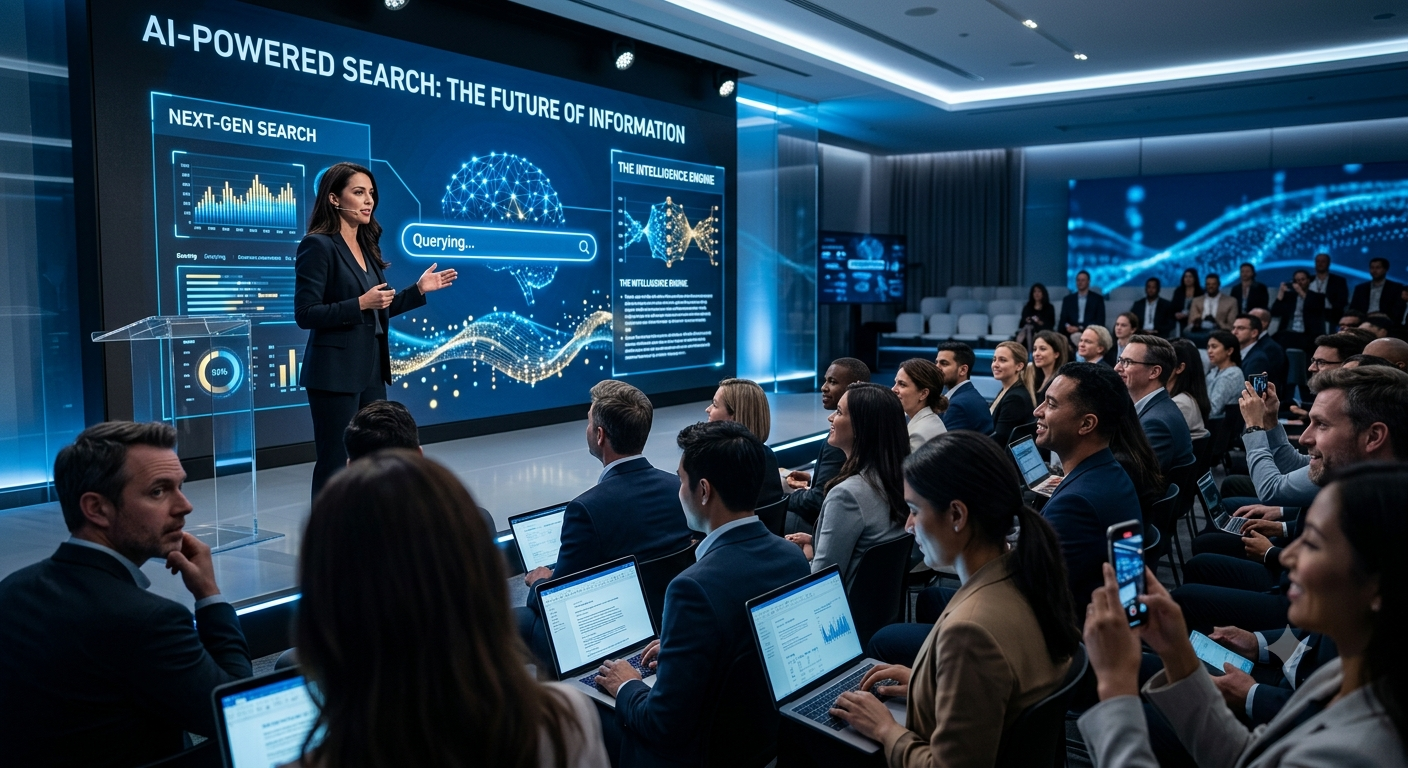
In early 2023, generative AI was still confusing for most people. Many folks didn’t understand what it actually did. Others simply felt nervous about it.
Meanwhile, Microsoft’s new AI-powered Bing had real potential to change how people used search engines every day. However, potential alone doesn’t win people over.
The product needed a story, and more importantly, it needed a reason for people to trust it.
Therefore, the real challenge wasn’t technical. It was emotional. WE Communications needed to shift the conversation away from “What will AI mean for me?”
That’s a scary, uncertain question. Instead, they needed people asking a much more exciting question: “What can AI do for me?” That shift in framing became the heart of the whole campaign.
How WE Communications Built the Launch Strategy
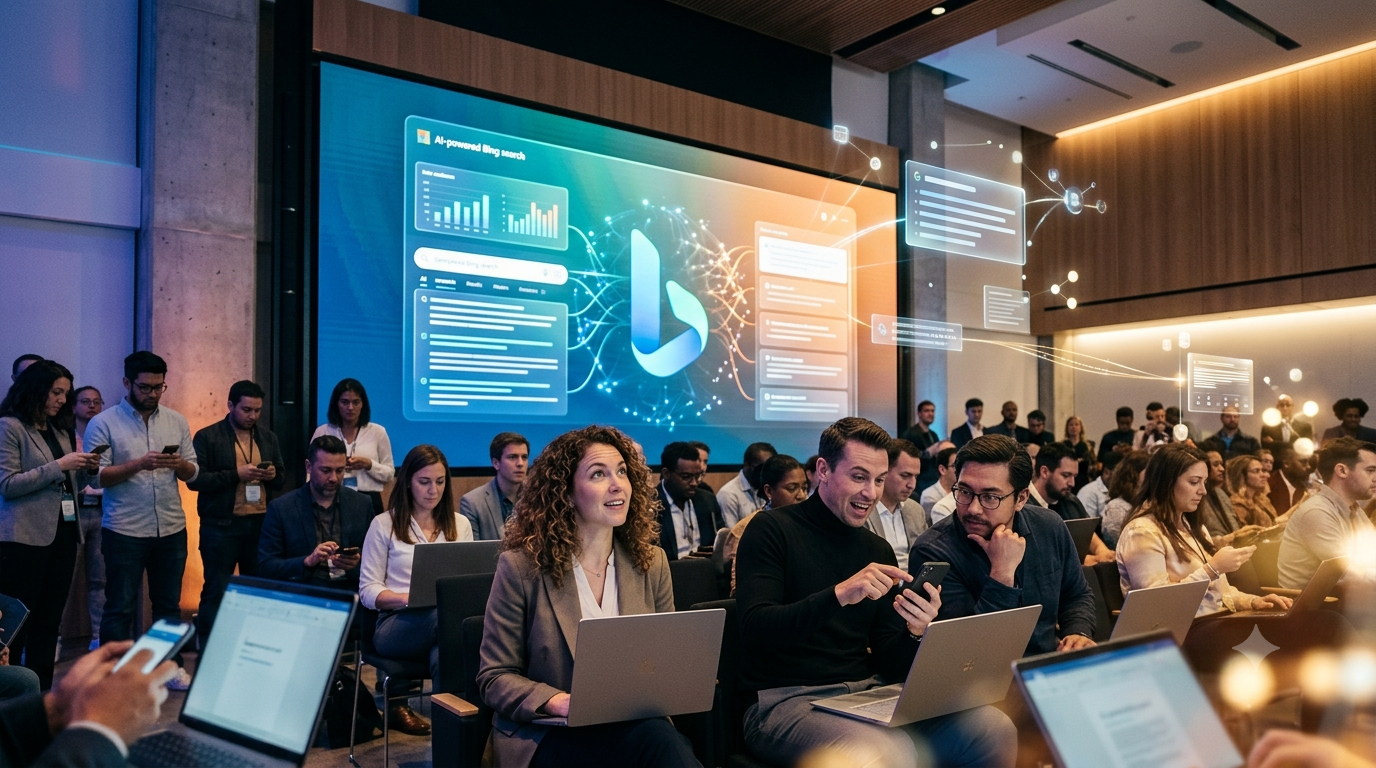
Rather than simply announcing the product through a press release, WE Communications built a campaign around firsthand experience. Specifically, the team gave journalists and influencers early hands-on access to the new AI-powered Bing.
People trust what they experience far more than what they’re told. A press release can claim a product is amazing. A journalist who actually uses that product and forms their own opinion carries much more weight.
As a result, media coverage didn’t just repeat Microsoft’s talking points. Instead, it captured real reactions, real surprise, and real curiosity from people trying the tool themselves.
Additionally, this hands-on approach helped solve the trust problem directly.
Once people saw AI solving an actual, everyday task right in front of them, the abstract fear around AI began to fade. Suddenly, AI felt useful instead of unsettling.
The Results of WE Communications’ Tech Launch
According to WE Communications‘ tech launch case study, the campaign successfully shifted the conversation around Microsoft’s AI-powered Bing from confusion to genuine excitement.
Coverage highlighted real-world use cases rather than vague technical jargon, which helped everyday readers actually understand what the product could do for them.
Consequently, the launch became one of the moments credited with pushing generative AI further into mainstream awareness.
Instead of an unfamiliar concept, AI-powered search suddenly felt like something practical people could try themselves.
While Microsoft and WE Communications haven’t published exact numbers for reach or coverage volume, the shift in public conversation around AI following this campaign has been widely cited across the tech industry as a turning point.
Why This Case Study Matters for Tech Launches
This example teaches a lesson that applies far beyond Microsoft or Seattle. Whenever a brand launches something new and unfamiliar, fear often shows up before curiosity does.
Therefore, the smartest launch strategy doesn’t just explain a new product. It gives people a safe, guided way to experience it themselves. Seeing beats hearing, and doing beats seeing.
This case shows why influencer and media access matters so much during a product launch. A single trusted voice trying something firsthand can shift public opinion faster than dozens of press releases ever could.
Finally, this campaign proves that even massive, well-known companies like Microsoft still need real storytelling. Big brand recognition doesn’t automatically create trust. Genuine, hands-on experience does.
What This Reveals About WE Communications
WE Communications didn’t build this campaign on guesswork. Instead, decades of experience working closely with Microsoft gave the agency a deep understanding of how to introduce complex technology to everyday audiences.
This pattern shows up across WE Communications’ broader work too. The agency consistently focuses on making complicated technology feel human, relatable, and useful rather than intimidating.
Consequently, brands considering WE Communications for a similar product launch can expect a strategy built around real experience, not just clever messaging.
That focus on hands-on storytelling seems to be a defining part of the agency’s approach to big, unfamiliar technology launches.
WE Communications Tech Launch: Final Takeaways
The Microsoft AI Bing launch shows that even the most advanced technology still needs a simple, human story. WE Communications didn’t try to explain AI with technical jargon. Instead, they let people experience it directly and form their own opinions.
That decision turned out to be the smartest move in the entire campaign. Fear rarely survives firsthand experience.
For any brand planning a major tech launch, this case study offers a clear lesson. Give people a reason to try something themselves, and trust will often follow naturally. Sometimes, the best PR strategy isn’t about saying more.
It’s about showing people something real.